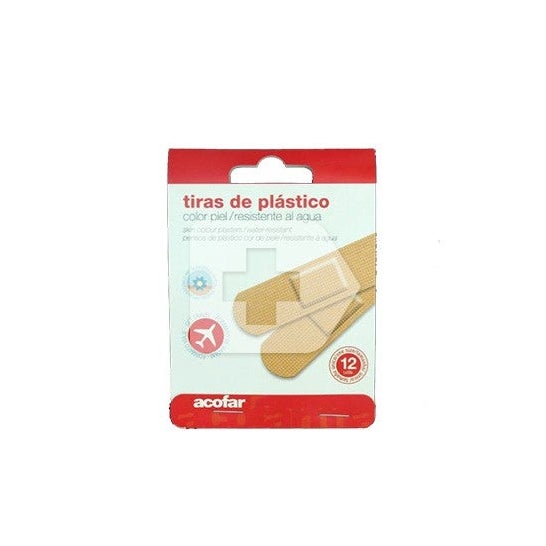
Acofar plastic adhesive dressing travel 12 strips

Dressings for chafing and minor wounds

ACOFAR

1.85 €

Shipping in 24-72h

Money-back guarantee 14 days

100% secure payment

Product details

Adhesive bandages are essential in any home or office, as accidents that cause small wounds are always bound to happen.

The Acofar adhesive bandage comes in plastic bandages designed to contribute to the quick recovery of small wounds and scrapes. These bandages create a sterile environment isolated from moisture and other infectious elements, combining:

  • Comfort and flexibility
  • Indispensable when traveling

The central pad is made of non-woven polyurethane fabric, named for the thermal sealing of the fibers. This pad has:

  • Absorption capacity and not just liquid repellency
  • Highly flexible and soft

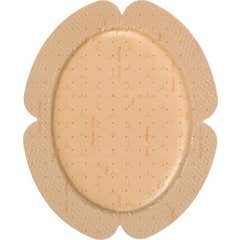
On the other hand, the silicone adhesive is hypoallergenic, gentle, does not damage the skin, and has rounded corners that improve its adaptability and prevent it from accidentally peeling off. Each bandage has a unique size, individually packaged in boxes of 12 units.

Its portability allows you to take it anywhere or store it in the family first aid kit. It is advisable to check the first aid kit every six months and replace unused bandages. It is also important to change the bandage every 24 hours on a wound.

Clean and disinfect the wound. Check that the skin is dry. Place the compress over the wound and press the sides of the dressing. It is recommended to change the dressing daily.

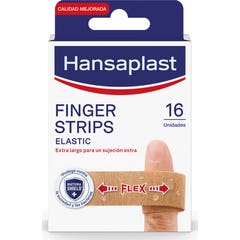
Plasters, adhesive bandages or dressings are patches that have a sterile gauze pad in the centre, surrounded by an area that sticks to the skin. They are used to protect open wounds, prevent infection and facilitate the healing process.

There are different types of plasters depending on the type of injury. To choose the right dressing, you need to consider the conditions the wound will be subjected to. They come in multiple sizes, materials, colours, flexibility, and can even be water-resistant. They may also have an additional ingredient with antiseptic properties to ensure a better healing process.

It is essential to clean the wound with water and soap, disinfect it and carefully dry the area with a sterile gauze before applying a dressing to any type of wound. Afterwards, simply remove the protective elements and make sure that the gauze pad, not the adhesive part, completely covers the wound.

Remember that the dressing is intended to protect the skin until it forms a protective scab. Unless the wound is in a rubbing area, it is preferable to remove the plaster once the scab has formed so that it can heal completely.

Please note that plasters are only indicated for blistering or minor bleeding. If the wound is very large or deep, you should consult your doctor, who will be able to assess how you should to proceed.