+info



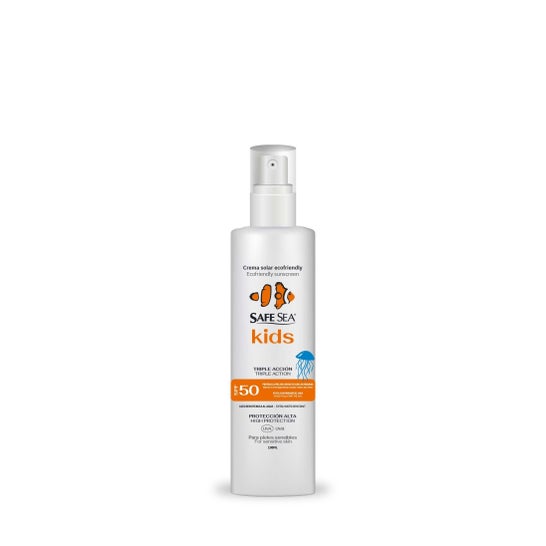
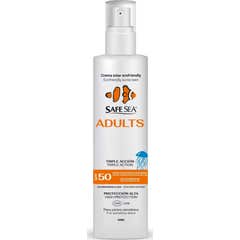
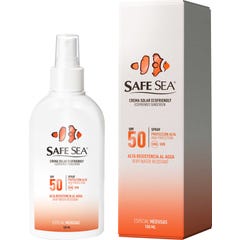
Safe Sea Kids Jellyfish Special Sunscreen SPF50+ spray 100ml
Protects against the sun's rays and repels jellyfish stings in children
SAFE SEA · 100 ml
17.70 €-11%
€19.95Estimated market price
Only 5 units at this price
Product details
The stinging cells of jellyfish are activated by physical contact with the dermis. Once the contact has occurred, we feel an acute discomfort in the affected area, which becomes red as a result of the stinging effect of the jellyfish's tentacles.
The spraySpecial Kids for jellyfish with sun protection SPF50+ of Safe Seaat the same time protects against the harmful effects of sun rays on the skin and jellyfish stings thanks to a substance thatinhibits the stinging of jellyfish and other marine stingers.
In addition, this spray incorporates a number of components that help to protect the skin:
- Vitamin B and E: Block skin oxidation due to solar radiation, pollution, or other harmful factors.
- Water resistant. Protects the skin after more than 80 minutes of water activity.
- It combines different active components that provide anti-ageing and anti-stress properties: plankton extract, glycosaminoglycans, collagens...).
*Paraben-free and free of toxic preservatives, high sun protection.
Very moisturizing and suitable formula for children with a practical format.
Apply to the body about 30 minutes before sun exposure.
For photoprotection with maximum effectiveness, remember to apply enough, sunscreen spread it evenly and reapply it every 2 hours, after bathing or sweating. In addition to topical photoprotection, use complementary accessories such as brim hats, adjustable sunglasses and suitable clothing. Boost skin care with oral photoprotection (in the form of a food supplement) combined with a balanced diet. Avoid exposure in the middle of the day (between 12:00 and 16:00). Do not expose babies and young children to direct sunlight. Overexposure causes oxidative damage, leads to photoaging and can lead to the development of skin conditions. Don't forget to apply aftersun to help maintain the skin's antioxidants and to provide the daily hydration it needs. Periodically check for the appearance of moles or changes in existing ones (shape, size or colour). If you take photosensitising medication or have a skin condition, it is especially important to follow these recommendations. In any case, if you develop blisters, fever or headache after sun exposure, consult your doctor.
Searches related to High-factor sunscreens for children
New in Sun protection for children
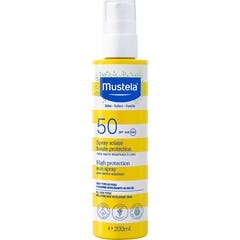
- Uriage Kids Spray SPF50+ Pack 200 ml + Xemose C8+ Bariésun Oil 50 ml
- Eucerin Sun Sensitive Protect Kids Gel Crema SPF50+ 2x200ml
- ISDIN Fotoprotector Pediatrics Body Lotion SPF50 Spray 250 ml
- Mustela Leche Solar Spf50+ 100ml Set
- Lavera Loción Solar Sensitiv Kids Spf50 100 ml
- Sol de Ibiza Latita Crema Solar Bebé 0 Meses Spf30 30g
- Chicco Crema Solar Mineral Spf50+ 75ml
- Nivea Sun Babies & Kids Sensitive Protect Spray Spf50+ 200ml
- Nivea Sun Kids Protect & Care Spray Spf50+ com Cor 200ml
- ISDIN Pack Pediatrics Fusion Water Magic 50 ml + Transparent Spray 250 ml